
A 2024 survey conducted by the Ministry of
Internal Affairs and Communications found that over
nine million homes in Japan were akiya (vacant).
The wisteria at dusk a darkening brilliance,
hang from the trellis in great lavender strings
like grapes, or tears, each stem tied to a wooden post,
then a careful cut here, there, over many years,
until branches now cross and cross again above,
lattice sagging from the weight. Beyond a dark house,
facade sturdier than most, shoji blinds shut
behind window glass, kawara, the clay roof tiles,
all intact, holding yet reflecting the last light,
as if the owners have just stepped out, a slow stroll
along the slender edges of the rice paddies,
seedlings peeking from the water, insect hum,
frogs’ throaty sutras lending rhythm to the night.
The real estate agent needs to get home, tells us
we can take our time, that nobody else has come
for many months. Forgotten is the worst sin,
「斎…,」the nameplate broken, latter half missing,
laundry still strung on the second-floor balcony,
clothes faded, torn, swaying now like empty skins.
Published in Cider Press Review, Volume 28, Issue 1.
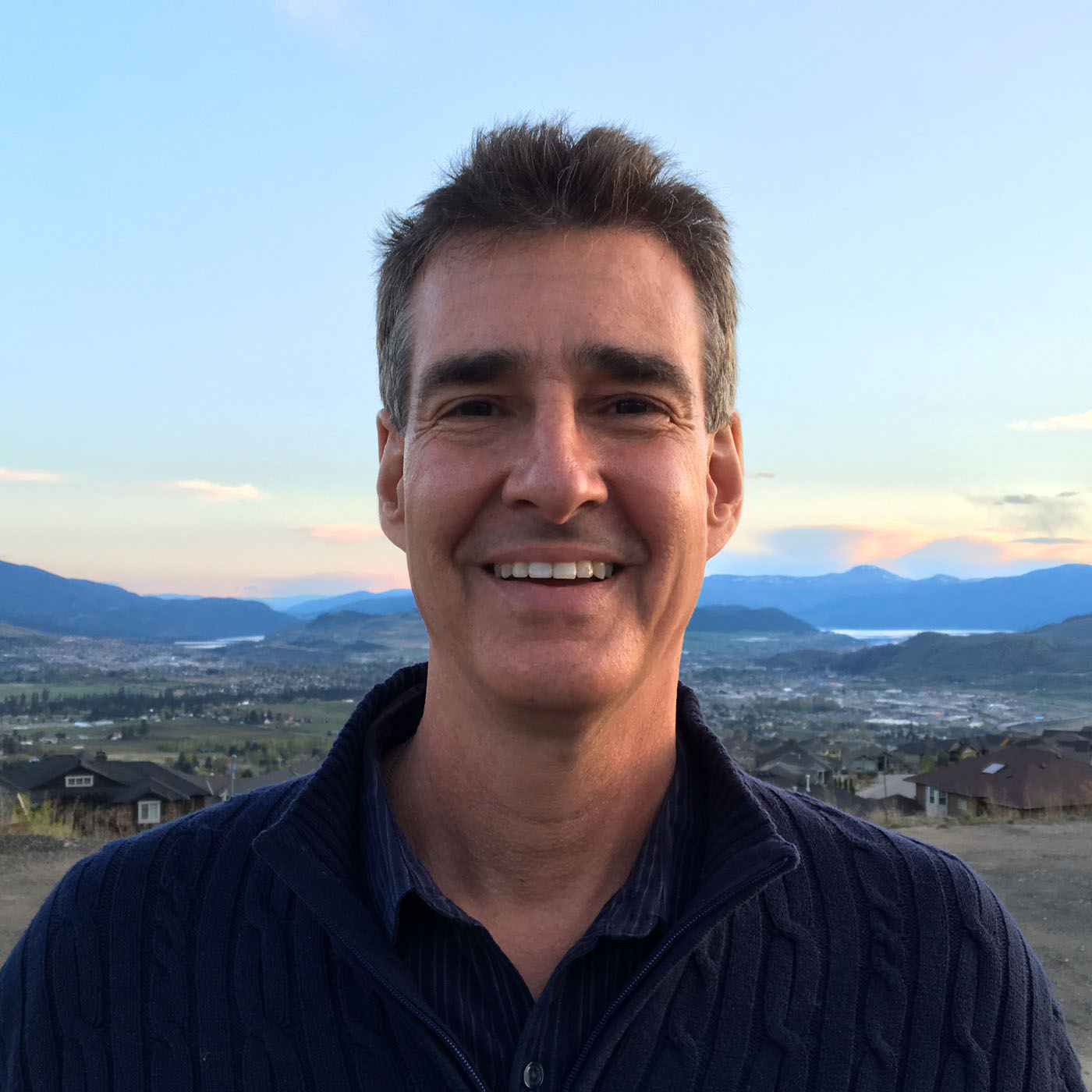
 Bern Mulvey lived in Japan for seventeen years. His first book, The Fat Sheep Everyone Wants, won the Cleveland State University Poetry Center Prize, and his second book, Deep Snow Country, won the FIELD Poetry Prize. He has also published two chapbooks, as well as poems in Poetry, Agni, Denver Quarterly, Michigan Quarterly Review, The Missouri Review, Colorado Review, and more. He now lives in Arizona and teaches writing at Eastern Arizona College.
See all items about Bern Mulvey