
Amid semi-tilled garden plots, rectangles of possibility, however mute, hard, weedy and dried out, seeded with stones, spreading across twenty acres of land, there still, it seemed, that a house stood, fully equipped with running water, heat, beds, even a veranda, a house where the three of us lived; two sisters and their mother. We’re the real, the core family, she said, looping her arms past our backs and through the hook of a bent elbow on either side. We stood together like three jewels weighting the necklace of a Queen or Mrs. Cox dressed in her best, out for a Saturday night fest. We were free, a triplet of females with land to plant trees of apples, cherries and plum; the beans, tomatoes, onions and potatoes would be backbreaking work so we’d need to hire people to help. We would build our own farm, make our own money. We’ve realized it all, standing here with linked arms, two string bean lean teen daughters with their capable shiny-eyed mother. We could turn crops into cash, story soil into jingle of coins shaken in a closed fist. We could do all of this; turn labor into love; love into labor. Did you know that you are free? Did you know that you are free? the song on the radio asked. The point is that her husband was nowhere. Gone dead fled didn’t matter; we knew we were free and we would make these plots of dirt grow freedom fruit. We were free. The taste was on our tongues as we stood there, arms linked, already plowing the darkness.
Published in Cider Press Review, Volume 25, Issue 1.
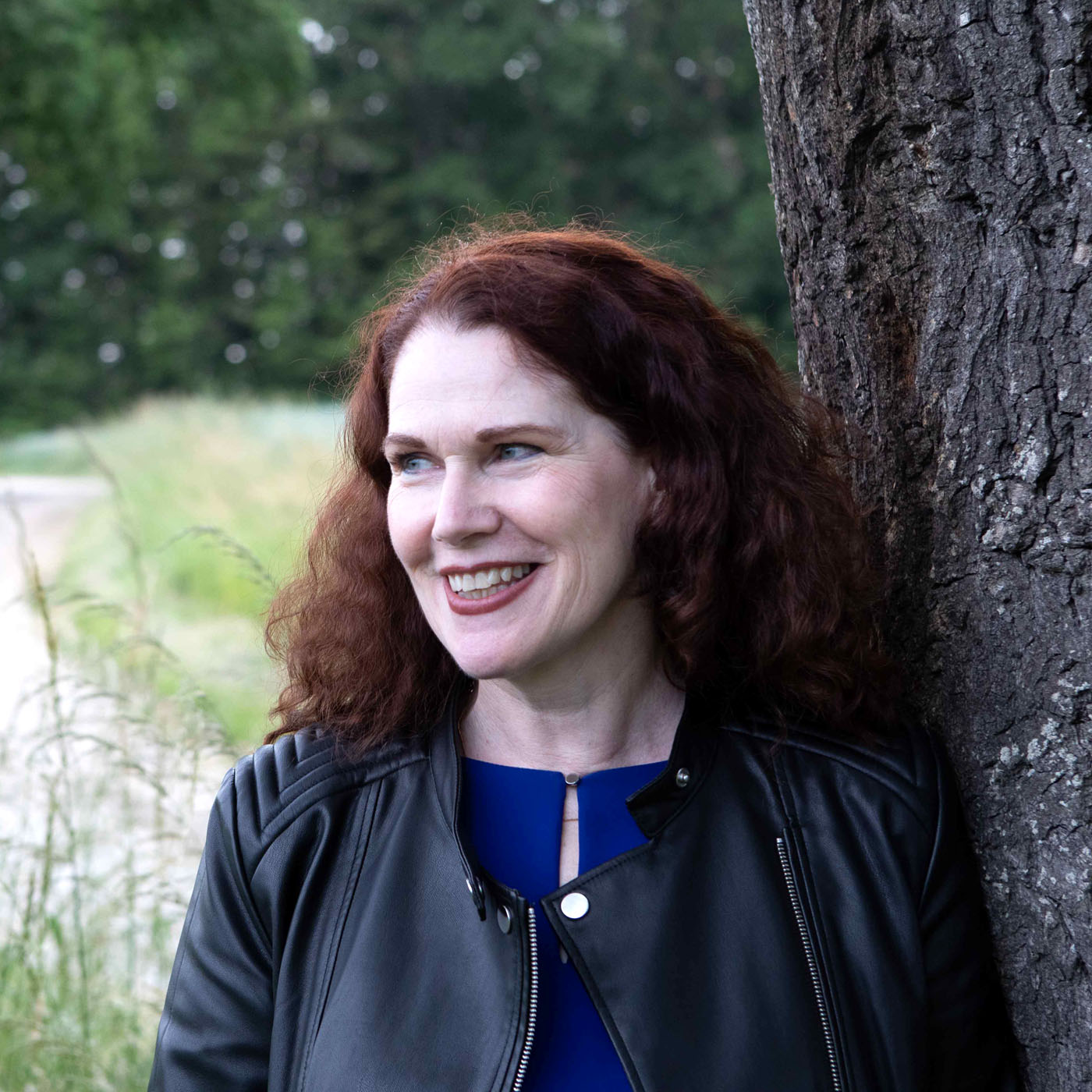
 Carla Drysdale is a Canadian poet living in France who works for the United Nations. Her poems have been published or are forthcoming in Seawall, Gyroscope, Lily Poetry Review, PRISM, The Fiddlehead, Canadian Literature, and others. In 2014, she won the Earle Birney Award from PRISM. Her poetry books are All Born Perfect, Inheritance and Little Venus.
See all items about Carla Drysdale